Rotating Drum / Baffle Chute
Best for: 2–5 small-to-medium packets daily.
Courier action: Lift flap, place packet, let flap close.
Constraint: Rejects tall rigid crates and long tubes.
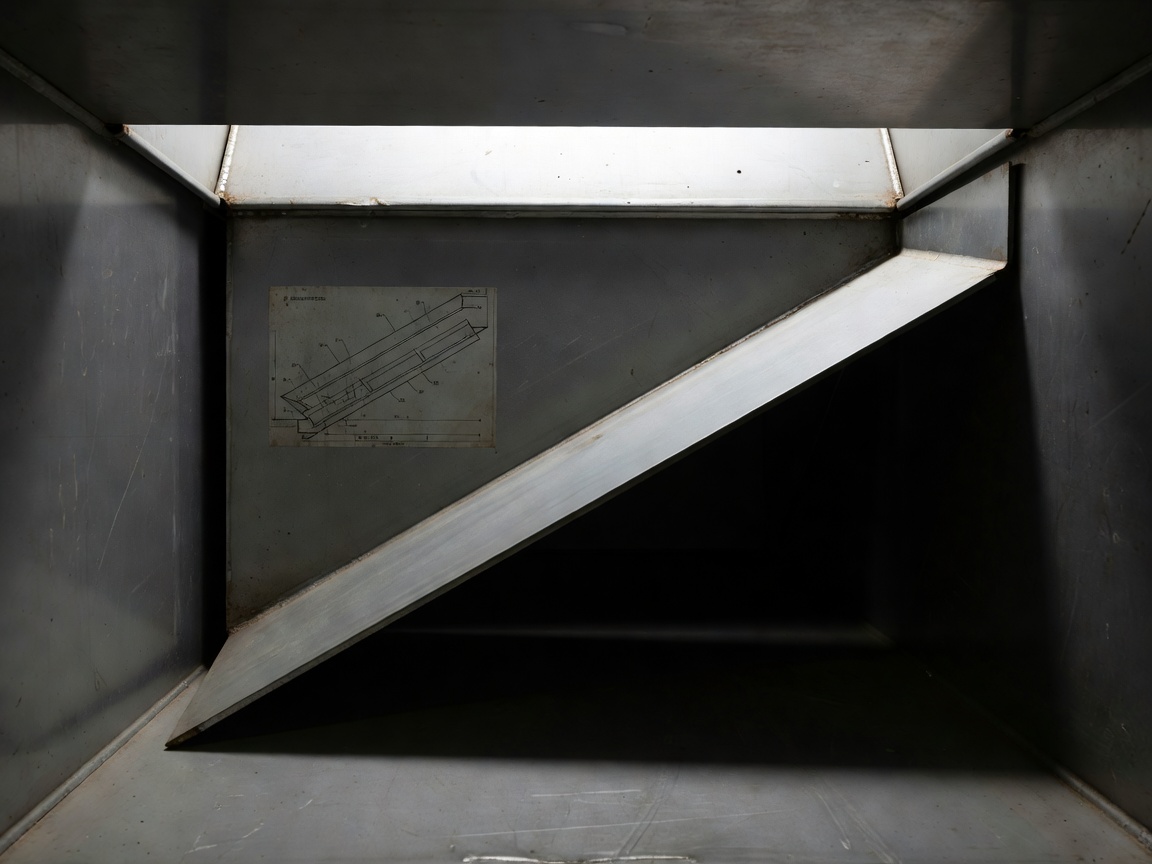
A tall freestanding parcel locker may advertise a 110-litre internal cabinet, yet still reject a standard 400 × 300 × 250 mm shoe or small-appliance carton. The bottleneck is the rotating security drum or anti-theft baffle plate positioned beneath the top flap. As the lid lifts, the steel baffle pivots upward to block hands from reaching down into the lower holding chamber; when the lid closes, the parcel slides into the base.
Because the parcel must pivot around that angled throat plate, a rigid cubic box loses roughly 35% of the cabinet's nominal depth. Before choosing a baffle locker, measure the three largest cartons lying in your recycling bin today and compare all three axes against the manufacturer's verified maximum parcel dimension, not the outer shell size.
Each physical locking mechanism trades off multi-drop flexibility against maximum carton capacity. Compare the four primary architectures below.
Best for: 2–5 small-to-medium packets daily.
Courier action: Lift flap, place packet, let flap close.
Constraint: Rejects tall rigid crates and long tubes.
Best for: Large bulky boxes or wine cases.
Courier action: Open full door, place carton, twist or push latch shut.
Constraint: Locked to second courier until emptied by resident.
Best for: Brick pillars, garage walls or perimeter fences.
Courier action: Front chute drop from pavement side.
Constraint: Requires masonry cutting and lintel support.
Best for: Occasional oversized deliveries in low-footfall lanes.
Courier action: Zip closed and click shackle padlock.
Constraint: Vulnerable to sharp blades; visual deterrent only.
When comparing powder-coated steel boxes against polymer chests, check the sheet metal gauge (measured in millimetres) and the door hinge design. Continuous piano hinges resist prying far better than spot-welded corner pins.
| Box Architecture | Typical Max Parcel (mm) | Wall Material | Multi-Drop Capable | Anchoring Requirement |
|---|---|---|---|---|
| Compact Wall Baffle Box | 320 × 240 × 150 | 1.2 mm galvanised steel | Yes (3–4 padded mailers) | 4 × M8 masonry wall plugs |
| Pedestal Baffle Tower | 410 × 330 × 220 | 1.5 mm electro-galvanised steel | Yes (up to 85 L base) | 4 × M10 ground bolts or ballast |
| Full-Door Bulk Chest | 550 × 450 × 420 | 1.5 mm steel or double-wall HDPE | Only with coded keypad | Base bolts or 50 kg slab weight |
| Fence / Gate Post Chute | 360 × 280 × 180 | 1.5 mm stainless or powder steel | Yes (rear door collection) | Clamped to steel post or brick pier |
An unanchored parcel locker simply turns four separate boxes into one convenient carry-handle for a thief. Follow these threshold rules when fixing a locker into place:
Your privacy choices
We use necessary cookies to run the site and, with your consent, optional ones to measure visits. You can change this at any time. Read more